
In the annals of British music, few bands have had as profound an impact as Oasis. Formed in Manchester, in the early 1990s, their sound became emblematic of the Britpop era. But who exactly were the driving forces behind this iconic group, and what made their music so compelling?
The Founding Members of Oasis
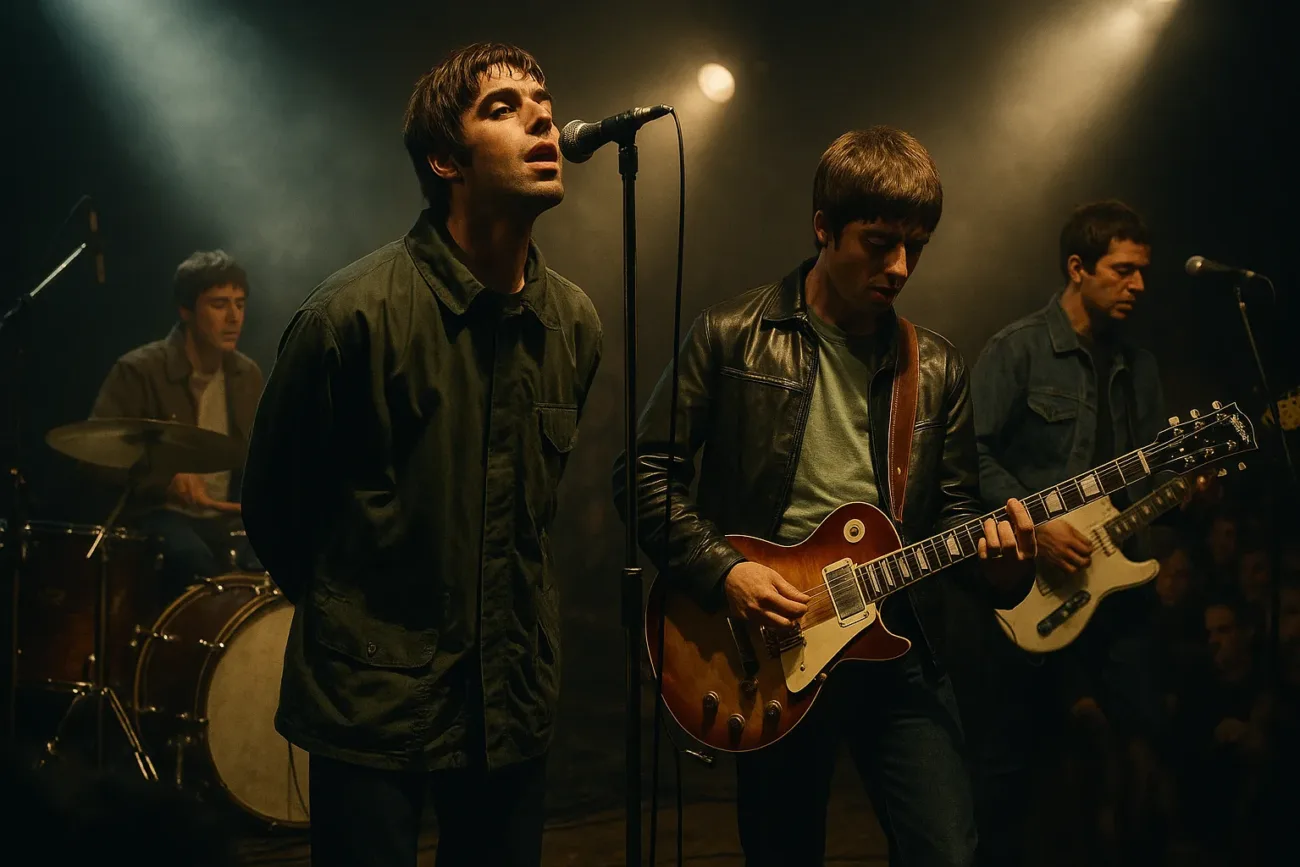
Oasis was primarily built around the core of the Gallagher brothers, Liam and Noel. These sibling rivals brought a unique dynamic to the band, their chemistry fuelling both creative synergy and infamous disputes on and off stage. Liam’s distinctive voice and Noel’s songwriting prowess were pivotal to the band’s signature style.
The group’s initial lineup also included Paul “Bonehead” Arthurs on guitar, Paul “Guigsy” McGuigan on bass, and Tony McCarroll on drums. These musicians contributed to the raw, unpolished sound that characterized the band’s early work, setting the stage for their breakout success.
The Role of the Gallagher Brothers
Noel Gallagher, the elder of the two brothers, was the chief songwriter whose compositions became instant anthems. With hits like “Wonderwall” and “Don’t Look Back in Anger”, he crafted lyrics that resonated with the dreams and frustrations of a generation. Meanwhile, Liam’s charismatic stage presence and distinctive vocal delivery made him an electrifying frontman.
Despite their creative magic, the brothers were also known for their volatile relationship, which often spilled into public rows. Their feuds became almost as legendary as their music, adding an unpredictable edge to the band’s story.
The Original Lineup’s Contributions
Beyond the Gallaghers, Bonehead, Guigsy, and McCarroll provided a solid foundation that supported the band’s rise to fame. Bonehead’s rhythm guitar work helped cement the band’s signature sound, while Guigsy’s bass lines added depth to their tracks, and McCarroll’s drumming provided a driving beat that powered early live performances.
Oasis During Their Peak Years
As Oasis’ fame grew, so did their musical aspirations. The band’s second album, “(What’s the Story) Morning Glory?”, catapulted them to international stardom and is often hailed as one of the greatest albums of all time.
During these peak years, the band saw changes in its lineup. Alan White replaced Tony McCarroll on drums, bringing a more refined beat that complemented the band’s evolving sound. These alterations helped Oasis transcend their Britpop roots and reach a global audience.
Chart-Topping Success and Cultural Impact
The music of Oasis became a cultural phenomenon. Their successes on the charts underscored their influence, with numerous singles reaching number one in the UK and abroad. Tracks like “Champagne Supernova” captured the euphoria and excess of the 90s, becoming emblematic of an era.
Oasis’ impact extended beyond music; they embodied the confidence and swagger of 90s Britain, often positioning themselves as rivals to other musical giants like Blur. Their much-publicised ‘Battle of Britpop’ cemented their place in music history, illustrating not just a clash of bands but of regional pride and musical philosophies.
The Later Years and Disbandment
As the new millennium progressed, Oasis continued to release music, though not without internal strife. Changes in the lineup occurred with the departure of Bonehead and Guigsy and the entrance of prominent musicians like Gem Archer and Andy Bell. These changes brought new influences but also highlighted the shifting dynamics within the band.
Despite ongoing success, tensions between the Gallagher brothers simmered throughout the 2000s. It was in 2009, after a backstage altercation, that Noel announced his departure, effectively bringing an end to Oasis. The band’s story is a testament to the challenges of maintaining unity amidst creative and personal differences.
Legacy and Influence
The legacy of Oasis survives in the lasting power of their music. They remain a staple of British rock, with their songs frequently covered and played worldwide. Their story is one of triumph and turmoil, mirroring the unpredictable journey of rock ‘n’ roll itself.
| Band Member | Role | Years Active |
|---|---|---|
| Liam Gallagher | Lead Vocals | 1991–2009 |
| Noel Gallagher | Guitar, Vocals, Songwriter | 1991–2009 |
| Paul “Bonehead” Arthurs | Guitar | 1991–1999 |
| Paul “Guigsy” McGuigan | Bass | 1991–1999 |
| Tony McCarroll | Drums | 1991–1995 |
| Alan White | Drums | 1995–2004 |
| Gem Archer | Guitar | 1999–2009 |
| Andy Bell | Bass | 1999–2009 |
The Enduring Charm of Oasis
Even after their disbandment, Oasis continues to capture the imagination of music lovers around the globe. Their music’s universal themes of longing and belonging resonate as powerfully today as they did in their heyday. The band’s dynamic energy and memorable tunes ensure their place in the rock pantheon.
The story of Oasis is one of musical innovation and personal challenges—a testament to the power of rock music when fuelled by passion and conflict. The band’s influence persists, inspiring new musicians and reigniting interest in one of Britain’s most beloved bands.