
Mouth ulcers, also known as canker sores, are small lesions that develop in your mouth or at the base of your gums. These ulcers can be quite painful, making it difficult to eat or talk. While they usually heal on their own, finding effective remedies can help soothe discomfort and speed up recovery. Let’s delve into some of the best treatments available today.
Understanding the Causes of Mouth Ulcers
The onset of mouth ulcers can result from a variety of factors, ranging from minor injuries during dental work or accidental cheek biting to stress and dietary choices. Understanding these causes can help you prevent future occurrences.
One common cause is accidental biting, but stress and nutritional deficiencies also play significant roles. Spicy or acidic foods can exacerbate the situation, while hormonal changes, especially in women, can contribute to their development. Identifying and mitigating these causes can significantly reduce the frequency of ulcers.
Home Remedies to Treat Mouth Ulcers
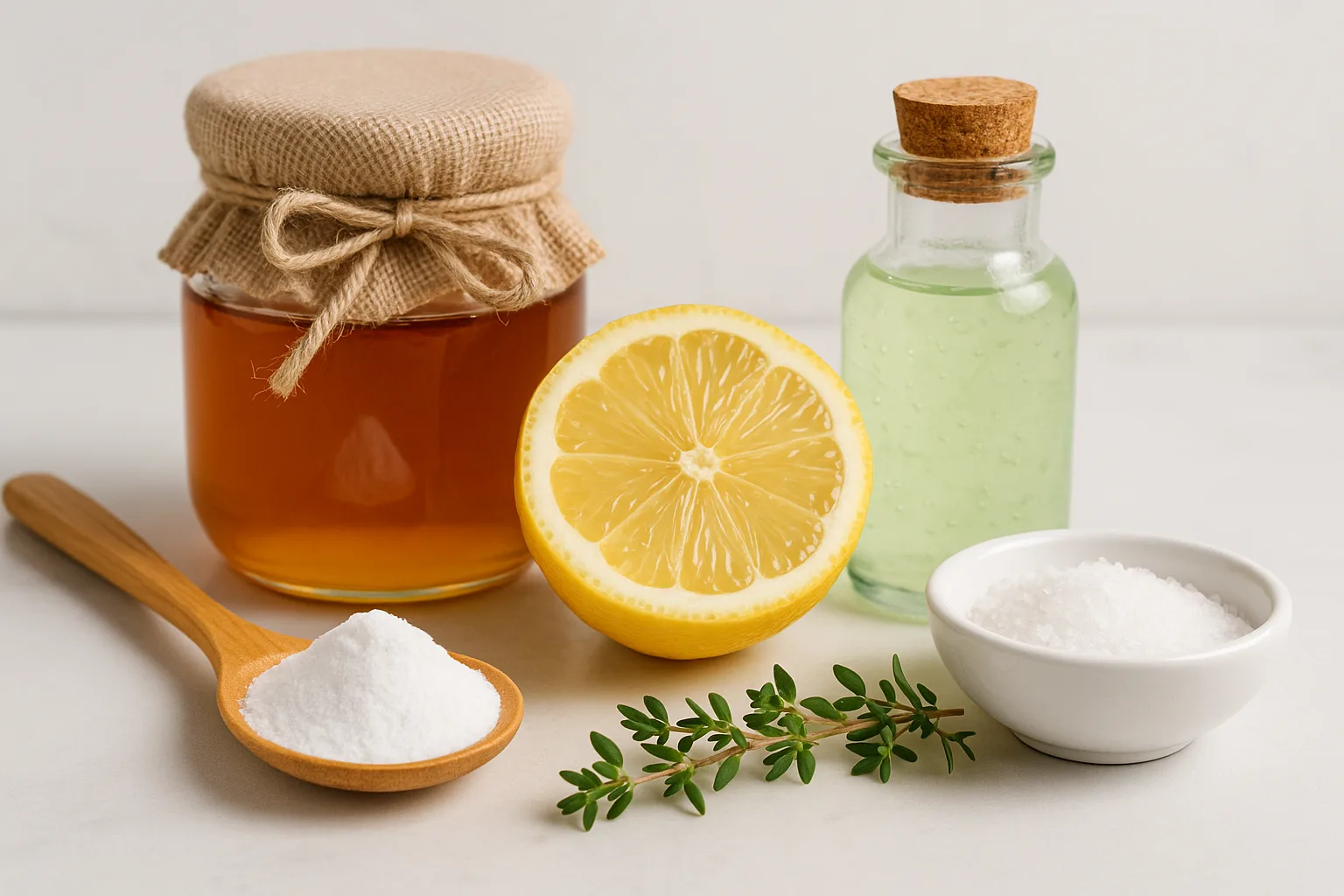
Several home treatments can provide relief from the pain and discomfort of mouth ulcers. Here are a few tried-and-tested methods:
- Saltwater Rinse: Mix a teaspoon of salt in warm water and swish it around your mouth; this helps reduce bacteria and promotes healing;
- Baking Soda Paste: Combine baking soda with a small amount of water to form a paste, apply this to the sore; it neutralises acid and reduces inflammation;
- Honey: Known for its antibacterial properties, applying honey on the ulcer can help soothe and heal the sore;
- Coconut Oil: Apply directly onto the ulcer for an anti-inflammatory effect that could ease discomfort.
Dietary Adjustments for Ulcer Prevention
Balanced nutrition forms the foundation of ulcer prevention. Ensuring your diet is rich in essential vitamins and minerals can significantly ward off future occurrences.
Foods rich in vitamin B12, folate, and iron are particularly beneficial. Leafy greens, nuts, and dairy products can boost your nutritional profile, while avoiding overly spicy or acidic foods is advisable to prevent irritation.
Here’s a quick look at foods to include and avoid:
| Foods to Include | Foods to Avoid |
|---|---|
| Spinach, kale, fortified cereals | Citrus fruits, coffee |
| Poultry, fish, eggs | Chillies, acidic sauces |
Over-the-Counter Treatments
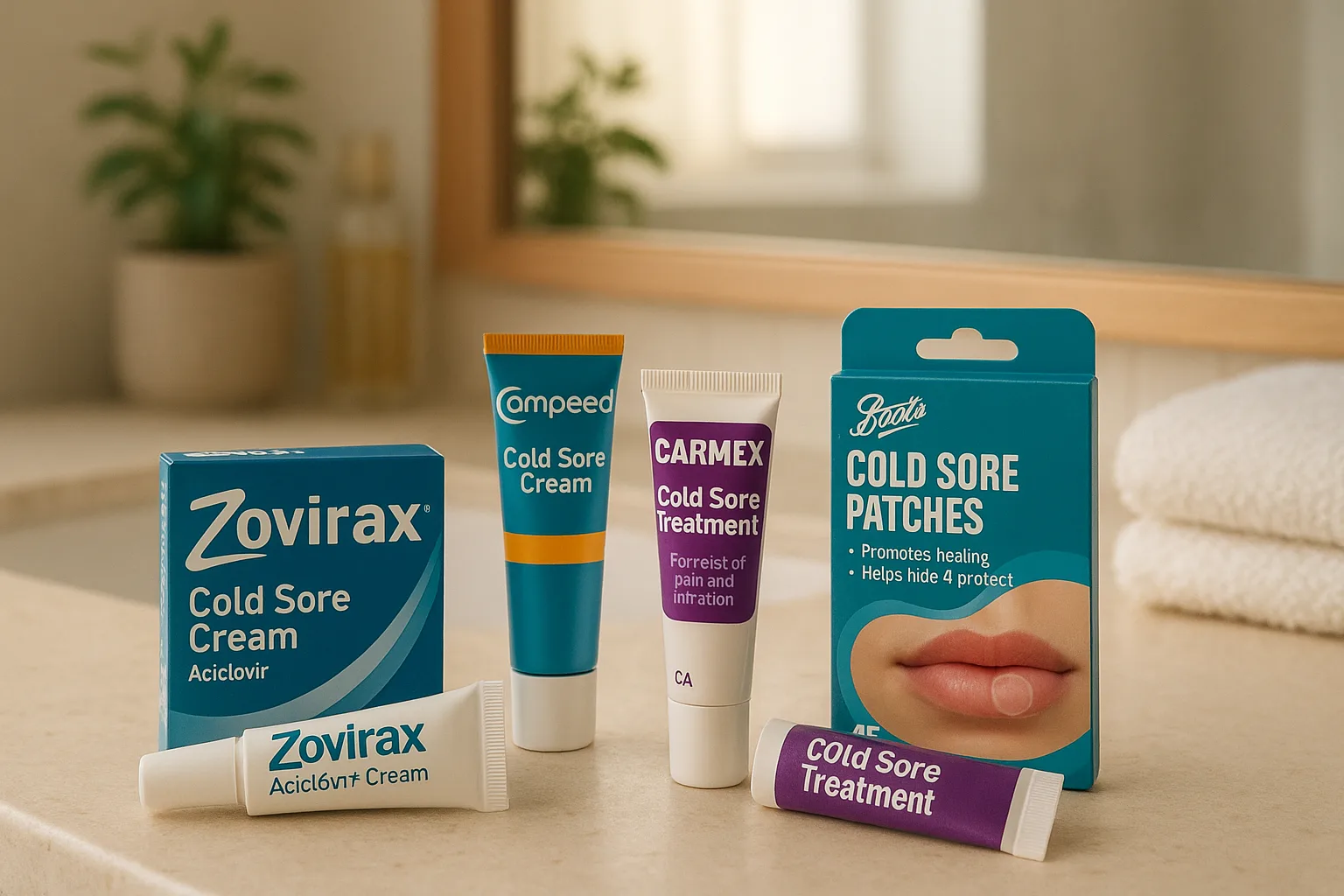
In addition to home remedies, over-the-counter treatments can help alleviate symptoms more rapidly. These include topical pastes, mouth rinses, and oral medications that combat pain and inflammation.
Antiseptic gels can protect against infections that might slow healing, while medicated rinses help maintain oral hygiene during the recovery process. Consult with a pharmacist to find the most suitable product for your symptoms.
When to Seek Professional Help
While most mouth ulcers heal within a week or two, persistent sores or unusually large ulcers may indicate a more complex health issue. If your ulcers are coupled with other symptoms like fever or unexplained weight loss, it’s important to consult a healthcare professional.
Persistent or particularly painful ulcers may require treatment with prescription medication. Your doctor might suggest tests to rule out conditions such as infections or underlying diseases that could be contributing factors.
In conclusion, while mouth ulcers can be uncomfortable, a combination of home remedies, dietary adjustments, and over-the-counter treatments can offer effective relief. Maintaining good oral hygiene and a balanced diet is essential in preventing these pesky sores from recurring. If symptoms persist, don’t hesitate to seek medical advice for a tailored approach to treatment.