

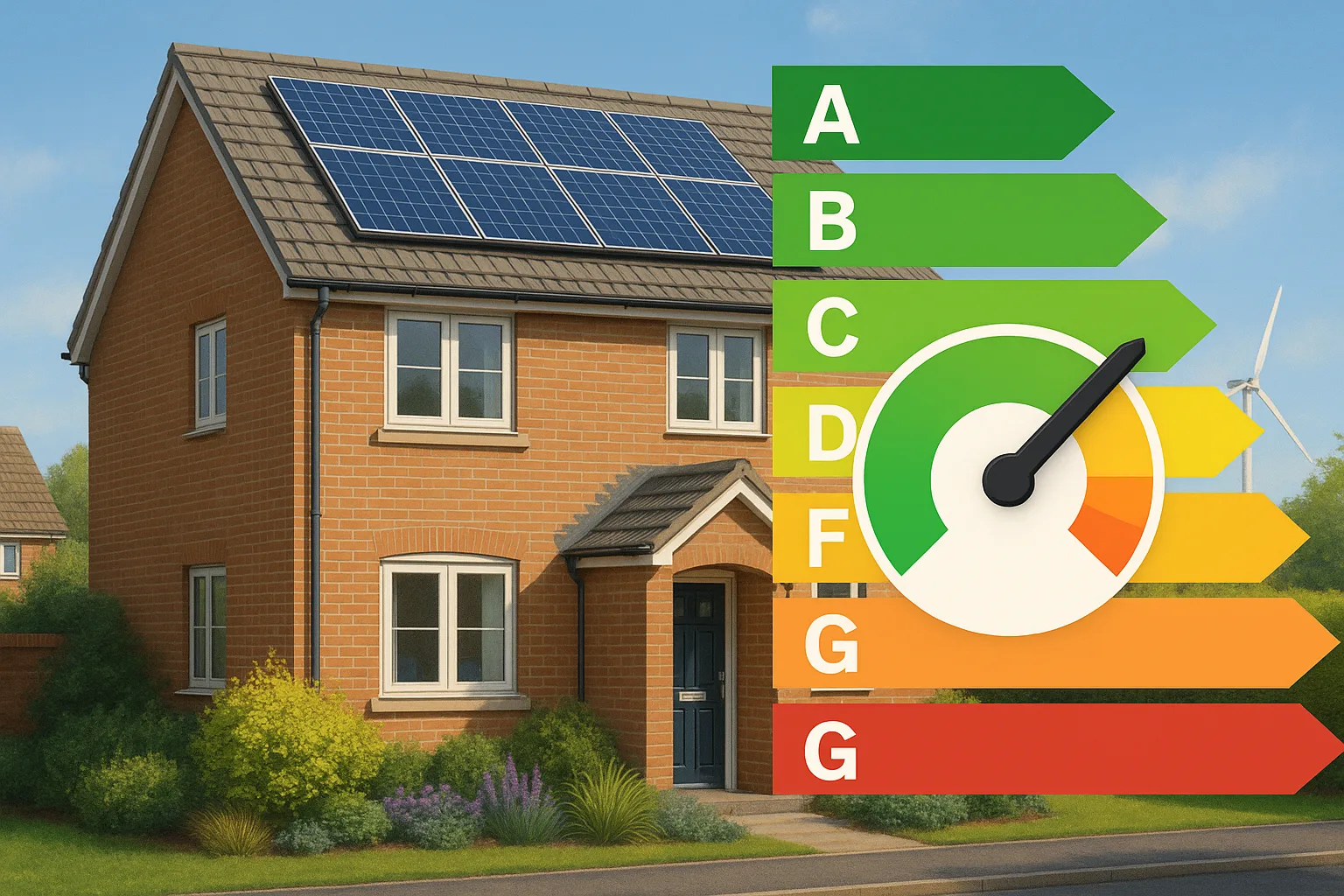
Energy Performance Certificates, or EPCs, are crucial documents for homeowners, landlords, and tenants in the UK. Introduced to help improve energy efficiency and reduce carbon emissions, an EPC provides a clear indication of a property’s energy usage and environmental impact. But what exactly does an EPC rating entail, and why should it matter to you?
What Is an EPC Rating?
An EPC rating is a measure of a building’s energy efficiency, expressed on a scale from A to G. A-rated buildings are the most efficient, while G-rated buildings are the least. The certificate also provides insights into potential improvements that can be made to enhance energy efficiency. For anyone looking to buy, rent, or sell a property, understanding this rating can play a significant role in decision-making.
The Components of an EPC
Each EPC is accompanied by a detailed report that outlines various aspects of the property’s energy use. Key factors considered in determining the EPC rating include:
- Insulation levels; Higher insulation improves energy retention;
- Heating system efficiency; Modern systems often yield better ratings;
- Window quality; Double glazing offers superior thermal efficiency;
- Renewable energy implementations; Solar panels can boost ratings.
How EPC Ratings Affect Property Transactions
EPC ratings are not only a legal requirement for selling or renting out properties, but they can also influence the marketability and value of the property. A higher rating often correlates with lower energy bills, which can be a significant selling point. Conversely, a low EPC might deter potential buyers due to anticipated high running costs.
Improving Your EPC Rating
If your property’s EPC rating lacks appeal, there are several enhancements you can implement. These improvements not only raise the property’s rating but can also lead to cost savings and a reduced carbon footprint.
Cost-Effective Methods to Enhance EPC Ratings
Enhancing a property’s energy efficiency does not always require hefty investments. Consider these strategies:
- Add loft insulation; An affordable way to improve heat retention;
- Install energy-efficient lighting; LED bulbs consume less power;
- Draught-proof doors and windows; Minimises heat loss significantly;
- Upgrade old boilers; Newer models are far more efficient.
Investing in Long-Term Solutions
For substantial improvement in EPC ratings, longer-term investments may be required. These might include:
- Installing solar panels; Provides renewable energy, reducing bills;
- Replacing windows with double or triple glazing; Better insulation;
- Underfloor heating systems; Can be powered sustainably;
- External wall insulation; Improves thermal performance.
The Legal Requirement and When to Get an EPC
In the UK, an EPC is legally required for properties being sold or rented. It offers transparency about the energy efficiency of buildings, thereby influencing market dynamics. Energy regulations demand that these certificates are renewed every ten years, or sooner if significant changes affecting energy efficiency have been made.
For landlords and property owners, keeping an up-to-date EPC is essential not just to comply with the law but to maintain competitive and financially viable properties. Failing to display an EPC can lead to penalties, reinforcing the necessity of staying updated with these requirements.
Conclusion
Understanding and managing EPC ratings is integral for property owners, landlords, and tenants alike. They offer critical insights into energy efficiency, potential cost savings, and environmental responsibility. By acknowledging the role of EPCs within the property market and making informed improvements, you can ensure your property remains attractive to future buyers and renters. Keeping abreast of EPC ratings not only supports sound investment decisions but also plays a part in larger global sustainability objectives.


