

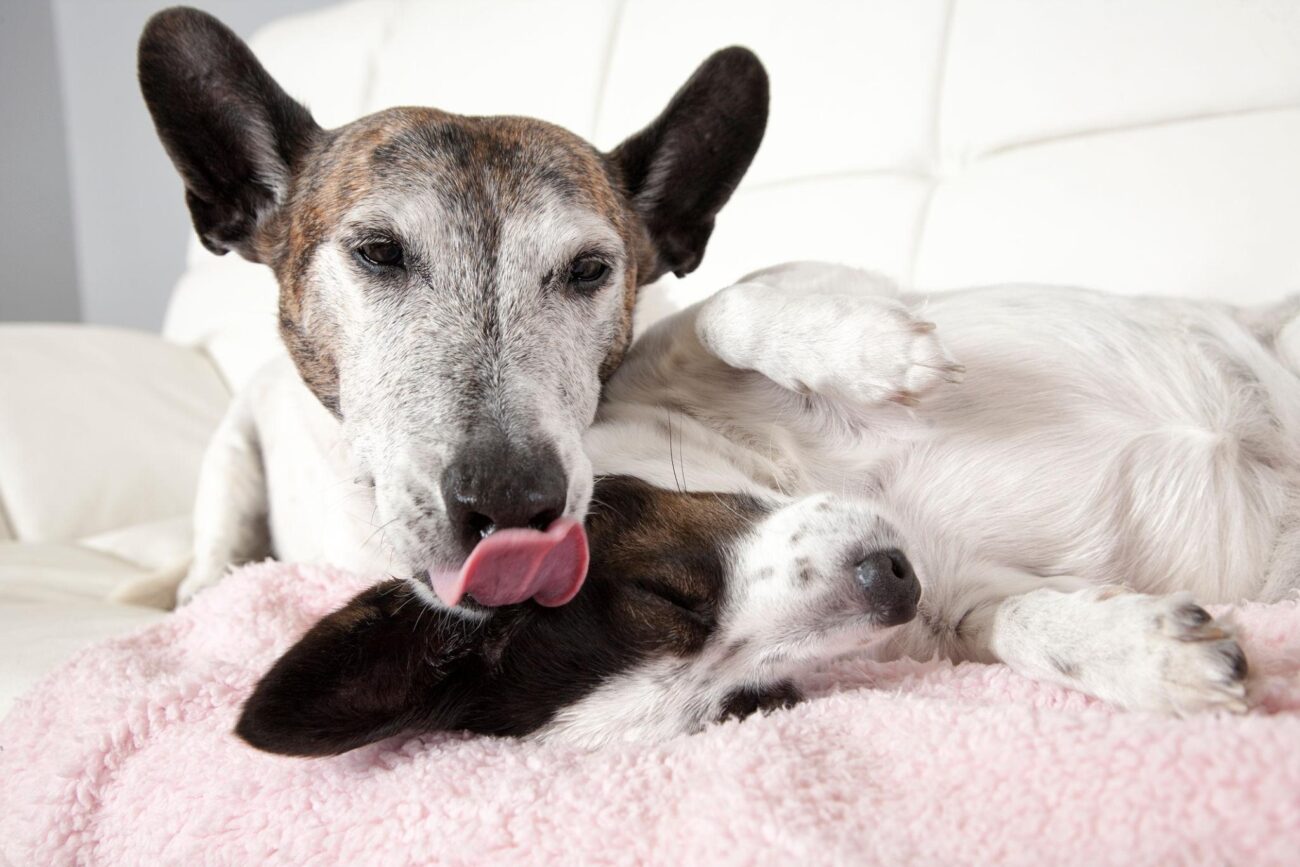
Dog behaviour can sometimes appear strange, even to experienced owners. One of the most commonly discussed habits in the UK is when dogs lick each other’s ears. While it may look unpleasant or excessive, in most cases this behaviour is completely natural. Understanding why it happens helps owners distinguish between normal social interaction and potential health concerns.
Why Do Dogs Lick Each Other’s Ears?
Ear licking is a natural instinct in dogs. They use their mouths not only for eating but also for communication and exploration. The ear area contains natural oils and wax, which carry scent information that other dogs find interesting.
This behaviour typically serves several purposes:
- strengthening social bonds;
- exploring scent and health signals;
- expressing calmness or submission.
For dogs living together, ear licking often becomes part of their daily interaction and routine.
Social Bonding and Communication
Dogs are highly social animals, and licking plays an important role in their communication system. When one dog licks another’s ears, it is often a sign of trust and acceptance.
In many cases:
- younger or more submissive dogs lick more dominant ones;
- licking helps reduce tension between dogs;
- it reinforces group harmony.
This is especially common in multi-dog households across the UK.
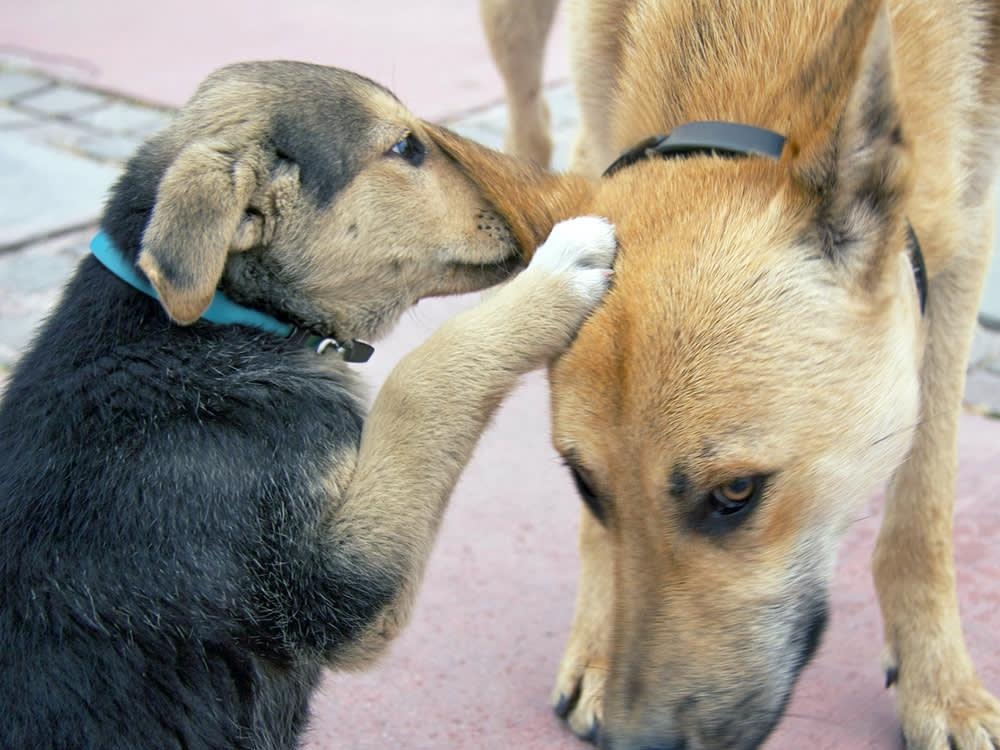
Why Do Dogs Lick Each Other’s Face and Ears?
When dogs lick both the face and ears, the behaviour becomes even more social. Puppies instinctively lick their mother’s face, and this habit often continues into adulthood.
Common reasons include:
- showing affection;
- seeking attention;
- reinforcing social bonds.
In adult dogs, this is less about survival and more about communication and learned behaviour.
Why Do My Dogs Lick Each Other’s Ears?
If you own more than one dog, you may notice that one regularly licks the other’s ears. This is usually harmless and reflects their relationship.
Typical explanations:
- one dog is more submissive or nurturing;
- the behaviour has become habitual;
- it provides comfort or reassurance.
However, if the licking becomes constant, it is worth taking a closer look.
Hygiene and Instinct
Dogs may also lick ears as a form of grooming. In natural settings, animals help clean areas that are difficult to reach.
Ear licking may be linked to:
- removal of dirt or wax;
- attraction to moisture or scent;
- instinctive grooming behaviour.
However, strong smells or discharge can also attract attention, which may indicate a problem.
Why Do Dogs Lick Each Other’s Eyes and Ears?
Licking around the eyes and ears can still be normal, but it requires closer observation. These areas produce secretions that may draw attention from other dogs.
Possible reasons:
- interest in tear residue;
- detecting subtle changes in scent;
- mild irritation or early infection.
If the behaviour is focused and persistent, it should not be ignored.
When Should You Be Concerned?
Although ear licking is usually harmless, certain signs may indicate a health issue.
Watch for:
- obsessive or constant licking;
- redness or swelling;
- unpleasant odour;
- signs of discomfort.
These symptoms may suggest conditions such as ear infection or mites, which are fairly common in dogs.
How to Manage This Behaviour
You do not need to stop ear licking entirely, but it should be kept under control.
Practical steps:
- check and clean your dog’s ears regularly;
- dry ears after walks in wet weather;
- monitor changes in behaviour;
- consult a vet if symptoms appear.
Consistent care is especially important in the UK, where damp conditions can increase the risk of ear problems.
What This Means for Dog Owners
So, why do dogs lick each other’s ears? In most cases, it’s a natural behaviour linked to communication, bonding, and instinctive grooming. It’s simply part of how dogs interact and maintain their relationships with one another.
That said, context still matters. Occasional licking is usually harmless, but frequent or overly focused behaviour can sometimes indicate an underlying issue. By staying attentive and keeping up with basic ear care, owners can make sure their dogs remain comfortable and in good health.