

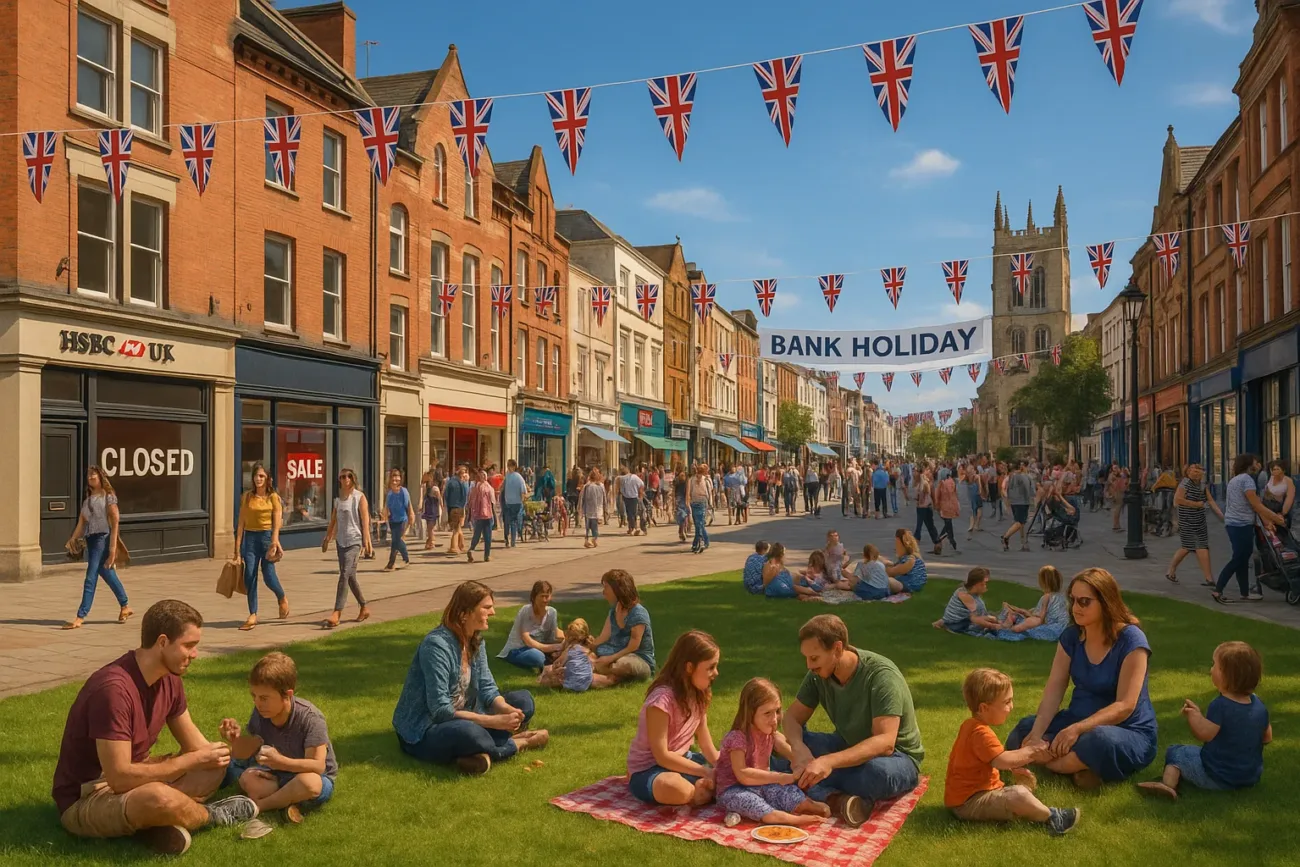
A bank holiday might sound like a day when banks take a break, but it carries more significance than just closed bank doors. In the UK, bank holidays are designated days off that impact several sectors, offering a pause for public employees and often citizens across the country. But what makes a bank holiday so important, and how did they originate? Let’s delve into the essentials of bank holidays, their history, and their relevance today.
Origins of Bank Holidays
Bank holidays have their roots in the 19th century, thanks in part to Sir John Lubbock, an English banker and politician. In 1871, the Bank Holidays Act was introduced, proposing official public holidays that would provide much-needed respite to the workforce. Lubbock believed that workers deserved these non-working days, and his legislation laid the foundation for the holidays we observe today.
Originally, only a few bank holidays were designated, mostly coinciding with religious events or traditional celebrations. This choice catered to the agrarian society’s rhythms of the time. Since then, the list of bank holidays has expanded and evolved, reflecting the changing cultural landscape of the UK.
Exemptions and Additions Over Time
Over time, the list of bank holidays has undergone several transformations. Initially limited to a few, modern adjustments have introduced new holidays like the Spring Bank Holiday and May Day. Nonetheless, not every holiday is uniformly observed across the UK, with regions like Scotland and Northern Ireland having distinct additional holidays.
The flexibility of bank holidays ensures they stay relevant to contemporary societal norms while respecting historical and regional differences. Thus, they form a diverse and adaptive tradition that consistently balances work and leisure.
Impact on Society and Culture
Bank holidays are more than mere days off; they play a crucial cultural and economic role. They provide opportunities for families to unite, festivals to flourish, and communities to engage in various leisure activities. Moreover, businesses related to leisure and tourism often thrive during these times.
The significance of these holidays can also be seen in how they influence cultural celebrations across the UK. Events like the Notting Hill Carnival take place during August Bank Holiday, attracting large crowds and contributing to the country’s rich cultural fabric.
The Economic Aspect
From an economic perspective, while some industries see a downturn due to closures, others, particularly tourism and retail, benefit significantly. Bank holidays create a surge in domestic travel and shopping, injecting vitality into the economy. However, it’s a balancing act, as too many holidays could disrupt business continuity and productivity.
Current Bank Holidays in the UK
| Holiday | Date (2023) | Region |
|---|---|---|
| New Year’s Day | 1st January | UK-wide |
| Good Friday | 7th April | UK-wide |
| Early May Bank Holiday | 1st May | UK-wide |
| Spring Bank Holiday | 29th May | UK-wide |
| Summer Bank Holiday | 28th August | England, Wales, Northern Ireland |
| St Andrew’s Day | 30th November | Scotland |
How Bank Holidays Affect Daily Life
A bank holiday means a break for many, but not all industries grind to a halt. Health services, transport, and emergency services often continue to operate to ensure public needs are met. For the rest, it’s a chance to rest, rejuvenate, or catch up on personal projects.
The rhythm of daily life gains a new tempo with these pauses, encouraging a retreat from routine for reflection and recreation. This alteration can have profound benefits on mental health, as individuals get an opportunity to recharge.
Common Misconceptions About Bank Holidays
Let’s clear the air on a few myths surrounding bank holidays. First, they aren’t uniformly respected. While government institutions and many businesses shut down, some private sectors may opt to remain open. Additionally, not everyone gets an extended weekend—shift workers and those in essential services often continue their duties.
Another common misunderstanding is that bank holidays are solely for leisure. While catching a movie or heading to a beach is the choice for many, others might devote the day to community service or other constructive pursuits. There’s no one-size-fits-all approach to spending these free days.
The Truth About Employment and Bank Holidays
While many enjoy a day off, it’s crucial to note that not every worker is guaranteed time away from their duties. Employment contracts generally dictate eligibility for a bank holiday, and employers might offer alternative days off or monetary compensation for those required to work.
Making the Most of Your Bank Holidays
If you’re looking to make the best out of your upcoming bank holiday, consider these tips to enhance your experience:
- Plan Ahead: Ensure your plans are feasible and align with any travel restrictions;
- Explore Locally: Opt for local attractions to avoid heavy travel crowds;
- Engage in Leisure: Foster downtime activities to unwind properly;
- Balance: Aim for a healthy mix of relaxation and productive tasks.
By strategically utilizing bank holidays, you can strike a balance between rest and recreation. Whether you’re catching up on hobbies or spending quality time with loved ones, these days offer a chance to step away from the hustle and bustle.
Understanding the essence and impact of bank holidays can help you appreciate their role in enhancing work-life balance. As you plan for the next one, remember that these days offer more than just a break—they’re an invitation to enjoy life’s simple pleasures.


