
Dealing with verrucas, those pesky plantar warts that often appear on the soles of the feet, can be a source of both discomfort and embarrassment. While they are mostly harmless, these bumpy growths caused by the human papillomavirus (HPV) can sometimes take quite a long time to resolve on their own. Luckily, there are several effective strategies to banish them, allowing you to step confidently once more.
Understanding Verrucas and Their Causes
Before diving into the solutions, it’s essential to understand what verrucas are and why they appear. Verrucas are a type of wart, differing from common warts by their location on the soles of the feet. They often have a rough surface and may feature tiny black dots caused by small clotted blood vessels. Transmission typically occurs in moist environments, such as swimming pools and communal showers, where bare skin contacts the virus.
This viral infection often passes from person to person or through indirect contact with surfaces. It thrives in warm, wet places, making protection in shared spaces crucial. Once contracted, the body’s immune system often clears these warts naturally, but some can persist for years without treatment.
Over-the-Counter Treatments
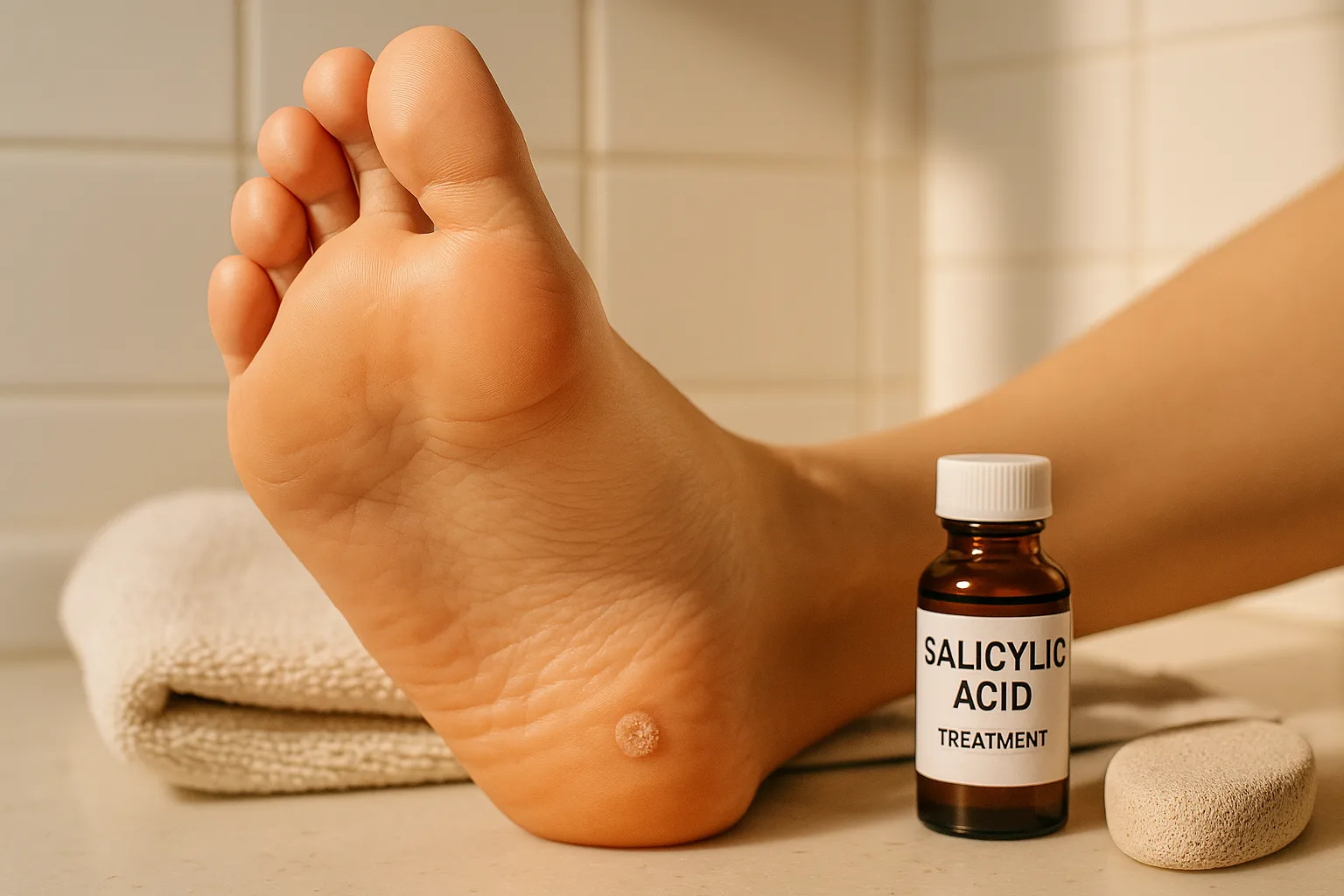
Pharmacies offer various over-the-counter (OTC) treatments that can be effective in reducing and eventually eliminating verrucas. These treatments usually rely on salicylic acid, which helps peel away layers of the infected skin.
- Salicylic Acid Gels and Patches: These treatments soak into the skin to dissolve the wart over time; regular application is often required.
- Freezing Sprays: OTC cryotherapy kits aim to freeze the verruca and destroy the virus; multiple applications might be necessary for optimal results.
Professional Medical Interventions
If home remedies and OTC treatments fall short, it might be time to consult a healthcare provider. Medical professionals have a wider arsenal of options to deal with stubborn verrucas.
Here are some common medical treatments:
- Cryotherapy: Often using liquid nitrogen, this method freezes the verruca from within, sometimes more effectively than OTC products.
- Laser Therapy: A focused laser destroys the wart tissue; suitable for those resistant to other treatments.
- Immune Response Stimulators: Treatments such as imiquimod can encourage your immune system to fight off the virus.
Comparing Treatment Methods
| Treatment Method | Effectiveness | Potential Side Effects |
|---|---|---|
| Salicylic Acid | Moderate to High | Skin irritation |
| Cryotherapy (OTC) | Moderate | Blisters, pain |
| Professional Cryotherapy | High | Temporary discomfort |
| Laser Therapy | High | Pain, scarring |
Home Remedies Worth Trying
For those who prefer natural remedies, several home methods might help diminish verrucas, though results may vary from person to person.
Consider trying these household approaches:
- Garlic: Known for antiviral properties; crush and apply on the verruca with a bandage overnight.
- Duct Tape: A bizarre yet popular method; cover the verruca with duct tape to irritate it, prompting the body to attack the virus.
- Banana Peel: Apply the inner side of the peel to the verruca; it contains enzymes and oils that might help reduce wart size.
Preventive Steps to Avoid Verrucas
Like most conditions, prevention is often easier than cure. Reducing exposure to the virus is your first line of defence against verrucas.
Include these precautions in your routine:
- Avoid walking barefoot in communal areas; wear flip-flops instead.
- Keep your feet dry and clean; moisture can harbour viruses.
- Avoid sharing towels and shoes to minimise contact with the virus.
Conclusion
Verrucas can be a persistent nuisance, but a combination of DIY approaches, OTC treatments, and professional advice can effectively tackle this issue. Ensuring proper hygiene and taking preventive measures can significantly reduce the risk of recurrence. Whether you opt for natural methods or medical interventions, being proactive is key to banishing verrucas for good.