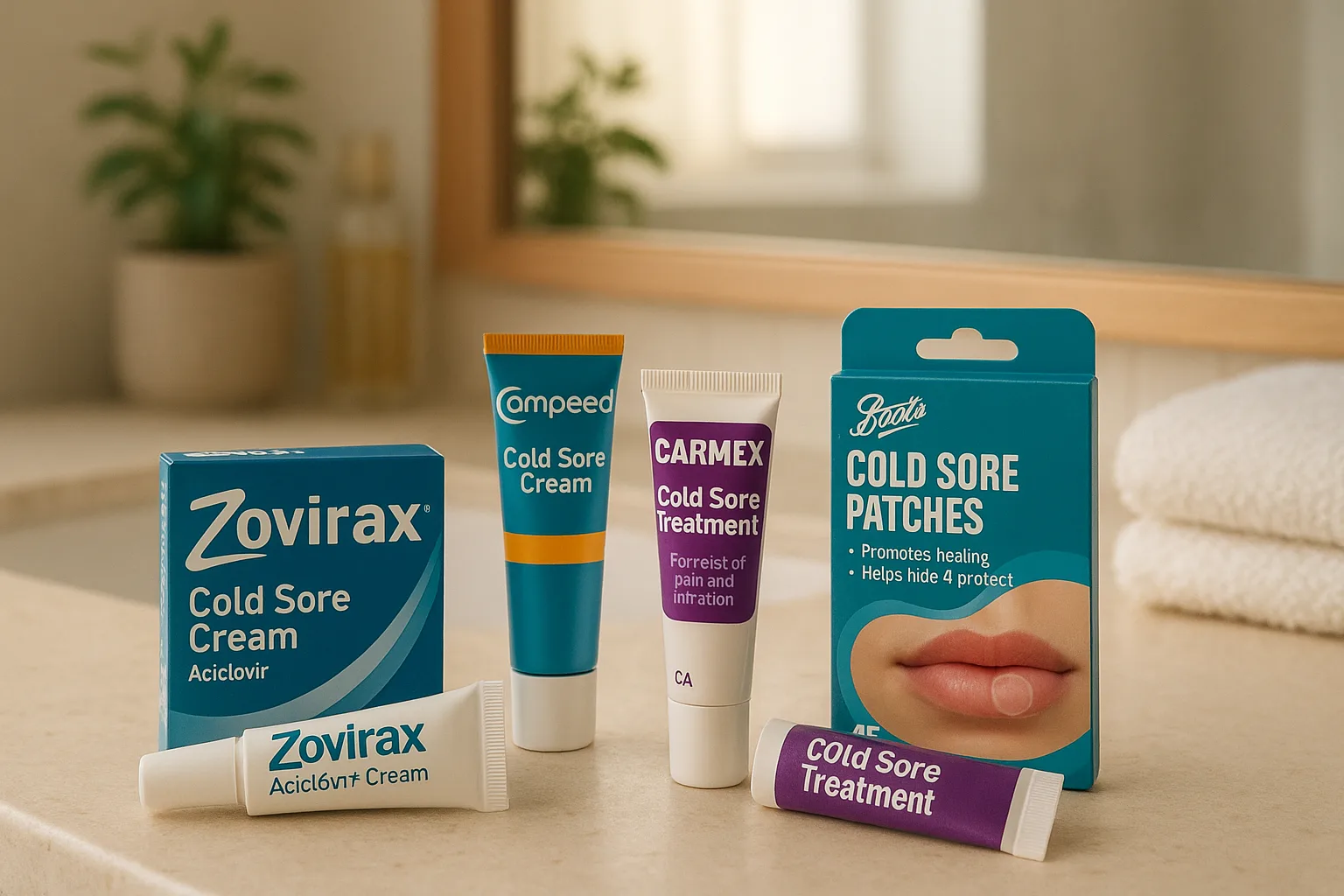


Hand, Foot and Mouth Disease (HFMD) is a common viral infection, particularly affecting children, characterised by sores and rashes. While the condition typically resolves on its own, the symptoms like itching and discomfort can significantly impact everyday life. Here, we delve into the best topical creams to alleviate these symptoms and provide relief.
Understanding Hand, Foot and Mouth Disease
Before delving into remedies, it’s essential to grasp what HFMD entails. It commonly arises in young children but can occasionally affect adults. Caused by enteroviruses, the condition is identifiable by a fever, reduced appetite, sore throat, and, notably, a rash on the hands, feet, and around the mouth. While not dangerous, the discomfort it causes is undeniable.
Symptoms of HFMD, apart from the distinctive rash, include blisters and sores that are often painful. These can make everyday activities like eating and walking uncomfortable. Foot cream or hand cream designed with soothing properties can act as both a protective barrier and a source of relief. But which creams are most effective?
Choosing an Effective Cream
When selecting a cream for HFMD, the goals are to soothe irritation, reduce pain, and avoid further skin damage. A few factors should influence your choice: skin sensitivity, age of the patient, and the specific symptoms.
Ingredients to Look Out For
The effective cream typically contains ingredients with anti-inflammatory and soothing properties. Some of the most beneficial components include:
- Calamine: Known for its itch-relieving properties;
- Aloe Vera: Renowned for its soothing and cooling effect;
- Chlorhexidine: Helps in preventing secondary infections;
- Menthol: Provides a cooling sensation to reduce discomfort.
Avoid creams with harsh chemicals or potent fragrances as they can aggravate already sensitive skin.
Application and Frequency
Proper application and routine are key to maximising the benefits of the cream. Here’s how you can ensure effective use:
Advice on Proper Use
The majority of creams suitable for HFMD should be applied after cleaning the affected areas gently with warm water and mild soap. This removes any potential irritants or bacteria. Once dry, apply a thin layer of cream:
- Twice Daily Application: Morning and night applications can enhance effectiveness;
- Avoid Over-application: Too much cream might clog the skin and obstruct healing;
- Area Focus: Concentrate on areas showing the most irritation and redness.
Consistency in treatment is crucial. Skip-ahead applications are tempting, particularly when symptoms appear to recede, but maintaining a regimen is important for full recovery.
Possible Side Effects and Considerations
While adverse reactions to topical creams are rare, they can occur. An unsuitable cream can exacerbate symptoms or cause additional irritation.
Monitoring Reaction
After the initial application, keep an eye on the skin’s reaction. Swelling, increased redness, or a rash appearance are signs that the product may not be suitable. If these symptoms occur, discontinue use immediately and consult a healthcare professional.
Ensure you check the cream’s expiration date and store it in a cool, dry place to preserve its effectiveness.
Recommended Creams for HFMD
Several over-the-counter creams in the UK are considered reliable choices for managing HFMD symptoms. Here’s a concise chart highlighting some effective options:
| Cream Name | Key Ingredient | Price Range |
|---|---|---|
| Calamine Lotion | Calamine | £5-£10 |
| Aloe Vera Gel | Aloe Vera | £4-£9 |
| Chlorhexidine Cream | Chlorhexidine | £6-£12 |
| Menthol Ointment | Menthol | £3-£7 |
Wrapping Up: Effective Symptom Management
While HFMD tends to resolve within a week or so, the course can be uncomfortable. Selecting a suitable cream can significantly ease the symptoms, making recovery smoother for both children and adults. Ensuring proper use, keeping an eye on side effects, and sticking to a routine are vital.
If symptoms persist or worsen, more than what creams can handle, seeking medical advice is prudent. It’s always better to err on the side of caution, particularly with health at stake. In dealing with HFMD, a calm, informed approach yields the best outcomes.