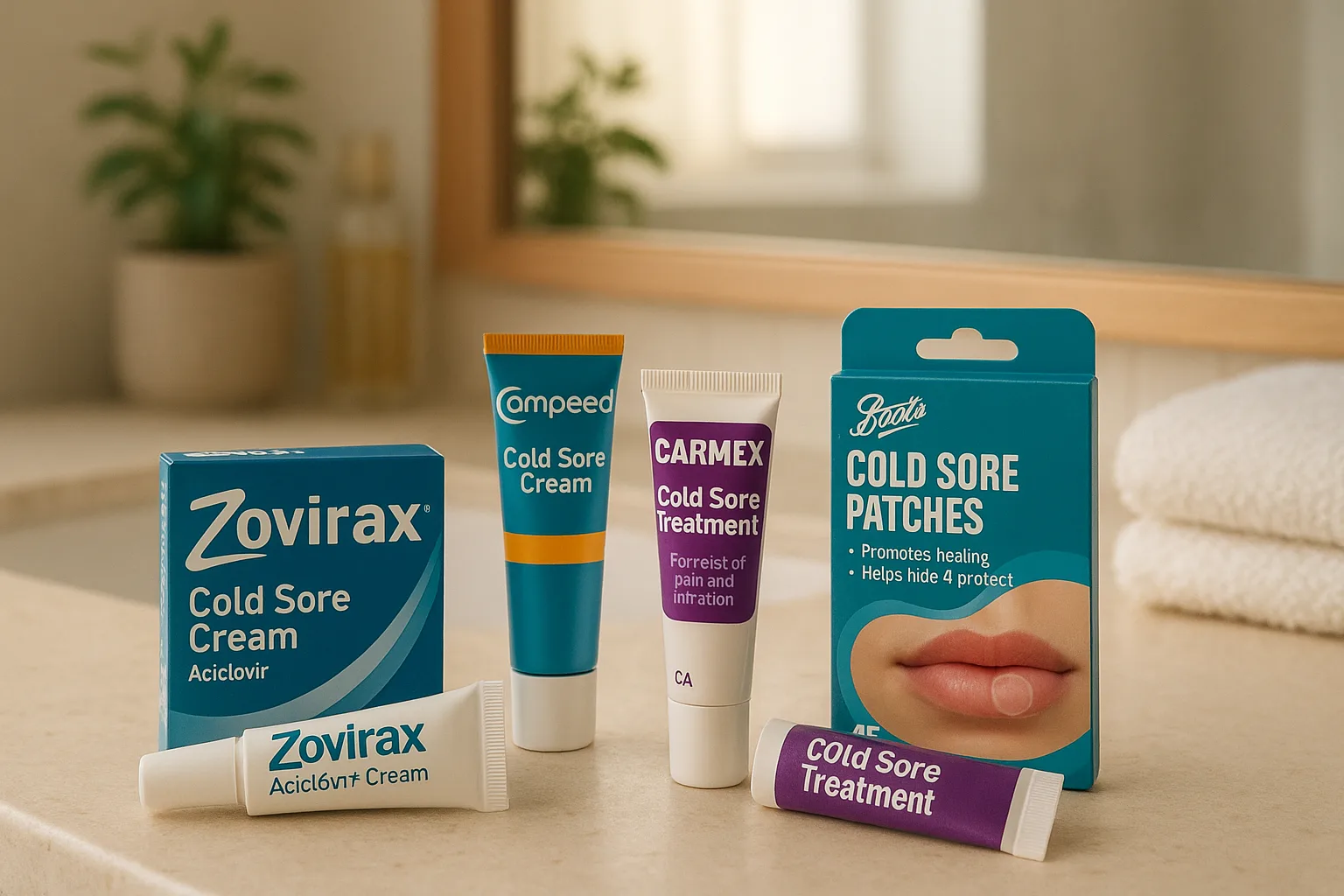


Ringworm, despite its unsettling name, is neither a worm nor rare among us. This common fungal infection can cause significant discomfort, prompting sufferers to seek effective treatments promptly. The tell-tale circular rash makes it easy to diagnose, but finding the right cream can sometimes be daunting. Here’s a comprehensive guide to navigating this territory effectively.
Identifying Ringworm: What to Look For
Before jumping into treatment options, it’s crucial to confirm that a rash is indeed caused by ringworm. Typically, it manifests as a round, red patch with elevated edges. The centre might clear up somewhat, enhancing that characteristic ring-like appearance.
Other symptoms include itchiness, scaling, and sometimes even blistering. While it commonly affects the skin, it can also appear on the scalp, feet (athlete’s foot), and even the nails. If you’re seeing these signs, it may be time to consider your treatment options.
How to Treat Ringworm Effectively
Treating ringworm efficiently often involves antifungal creams, as they are typically the first line of defence. These creams are formulated to kill the fungus and relieve itching and discomfort. Some common over-the-counter options include clotrimazole and terbinafine, among others.
The potency and type of cream can vary, and whilst some situations might warrant a prescription-strength antifungal, many cases can be adequately managed with the right over-the-counter treatment. Let’s explore some popular choices:
- Clotrimazole Cream: Widely available, this cream helps reduce the fungal cells by damaging their membrane;
- Terbinafine Cream: Known for its rapid action against fungi, often providing relief within a week;
- Miconazole Nitrate Cream: Combats the fungi by disrupting their cell growth, hence a dependable choice;
- Ketoconazole Cream: Usually reserved for persistent cases, it’s renowned for its strength.
Choosing the Right Cream for Your Condition
While the selection of creams may seem overwhelming, identifying your specific needs can simplify the decision. Individuals with sensitive skin might prefer gentler options, while severe infections might require a more potent formula. Here are some considerations to guide your choice:
Sensitivity to Ingredients
If you have sensitive skin or a history of allergies, it’s crucial to check the cream’s ingredients. Some antifungal agents might cause irritation or allergic reactions. Consider opting for creams designed for sensitive skin or consult a healthcare provider for a suitable recommendation.
Severity of the Infection
The extent of the infection significantly influences the choice of treatment. Milder forms might respond well to general antifungal creams, but more pervasive infections, especially those not improving after a week of treatment, might necessitate stronger prescriptions or alternative therapies.
| Condition | Recommended Treatment |
|---|---|
| Mild Ringworm | Over-the-counter antifungal like Clotrimazole or Terbinafine |
| Severe Ringworm | Prescription-strength antifungal creams |
| Recurring Infection | Consult healthcare provider for assessment |
Application: Ensuring Effectiveness
Applying the cream correctly is as crucial as choosing the right one. Apply the cream uniformly over the affected area and a little beyond to ensure all fungal spores are addressed. Typically, twice-daily application is recommended, although this can vary with specific products, so reading the packaging is essential.
Consistency is key! Continue the treatment for the full recommended duration, even if symptoms improve early on, to prevent recurrence.
When Over-the-Counter Isn’t Enough
While OTC creams serve many well, there are instances where a more robust treatment may be necessary. If there’s no improvement within two weeks, or if infections become recurrent, it’s advisable to seek medical advice. Ringworm on the scalp or nails often necessitates more intensive treatments, possibly including oral medications.
Ignoring persistent or extensive symptoms can lead to further complications, so timely intervention is crucial to address the root of the problem efficiently.
Living Ringworm-Free: Best Practices
Prevention is the best path forward. Practising good hygiene, avoiding sharing personal items like towels, and keeping the skin dry and clean can assist in reducing the likelihood of a ringworm infection. If you’re prone to such infections, consider using antifungal powders on your feet and in your shoes.
Ultimately, while ringworm is a common foe, understanding its nuances and choosing the right treatment can make all the difference. Stay informed, treat promptly, and relish life ringworm-free.