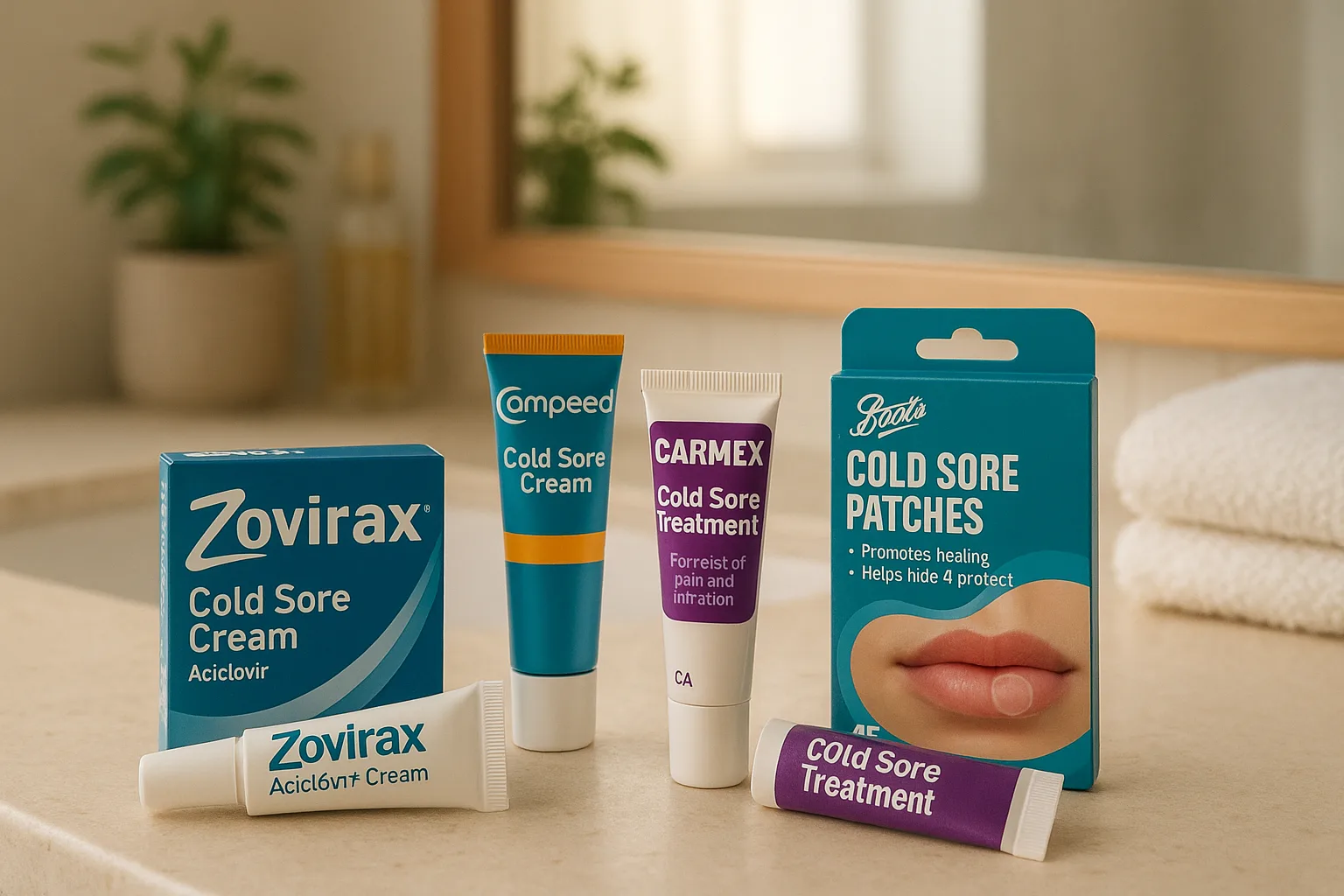


Chickenpox, a common viral illness mostly affecting children, brings with it an itchy and uncomfortable rash that can be quite bothersome. Though generally not severe, managing the symptoms effectively can significantly improve comfort during the course of the disease. Here, we explore several remedies and treatments that can help alleviate discomfort and prevent complications during a chickenpox outbreak.
Understanding Chickenpox: Symptoms and Transmission
Chickenpox, or varicella, is caused by the varicella-zoster virus. It is highly contagious and spreads through direct contact with the rash or via respiratory droplets. The classic symptoms include an itchy rash, red spots or blisters, fever, fatigue, and body aches. The rash typically starts on the chest, back, and face before spreading over the entire body.
The virus can be particularly concerning in those with weakened immune systems, pregnant women, and newborns. While most cases resolve without intervention, understanding how to manage the infection can ease the journey towards recovery. Preventive measures like vaccination remain crucial in controlling its spread.
Home Remedies for Chickenpox Symptoms
Soothing Itchy Skin with Oatmeal Baths
An oatmeal bath can provide significant relief from the incessant itching that accompanies chickenpox. Colloidal oatmeal, available at most pharmacies, is particularly effective. Just add a few tablespoons to lukewarm bathwater and soak for about 20 minutes. This natural remedy works by soothing the skin, reducing inflammation, and creating a protective barrier.
Applying Calamine Lotion
Calamine lotion is another age-old treatment for itchy skin. Its cooling effect can temporarily relieve itching and help dry out the blisters. Apply a small amount of lotion to affected areas using a clean cotton pad. Avoid applying it to open blisters to prevent irritation.
Ensuring Proper Hydration
Maintaining hydration is key during a chickenpox infection. Fever and sweating can lead to increased fluid loss. Encourage consumption of water, herbal teas, and clear broths. Hydration aids in recovery and supports the immune system.
Medical Treatments and When to Seek Help
While home remedies can alleviate mild symptoms, there are cases when medical intervention becomes necessary. It’s important to know when to escalate care to ensure no complications arise.
Antiviral Medication
In some cases, doctors may prescribe antiviral medication such as acyclovir to reduce the severity and duration of the illness. This is especially relevant for adults, pregnant women, and those with weakened immune systems. Antivirals are most effective when started within 24 hours after the rash appears.
When to Consult a Doctor
Seek medical attention if the individual experiences high fever, breathing difficulties, confusion, or if the blisters become infected. These symptoms can indicate complications that require professional medical management.
Chickenpox Relief: Dos and Don’ts
Here’s a handy list of what to do and what to avoid while managing chickenpox:
- Do keep nails trimmed and clean to prevent skin infections due to scratching;
- Don’t use aspirin for fever as it can lead to Reye’s syndrome, a rare but serious condition;
- Do wear loose, soft clothing to prevent irritation of the skin;
- Don’t scratch the blisters, which can lead to scarring;
- Do stay isolated to prevent spreading the virus until all blisters have crusted over;
- Don’t send children back to school until they are no longer contagious.
Building a Supportive Environment
Support from family and friends can be crucial in ensuring a comfortable recovery process. Having someone to help with errands and childcare can make a significant difference. Ensuring the home environment is clean and cool, as well as providing activities like books or movies, can distract from discomfort and make the patient feel more at ease.
The road to recovery from chickenpox may be uncomfortable, but these practical remedies and medical insights can help manage symptoms effectively. By combining home treatments with appropriate medical care, individuals affected by chickenpox can look forward to a smoother recovery and return to health.