

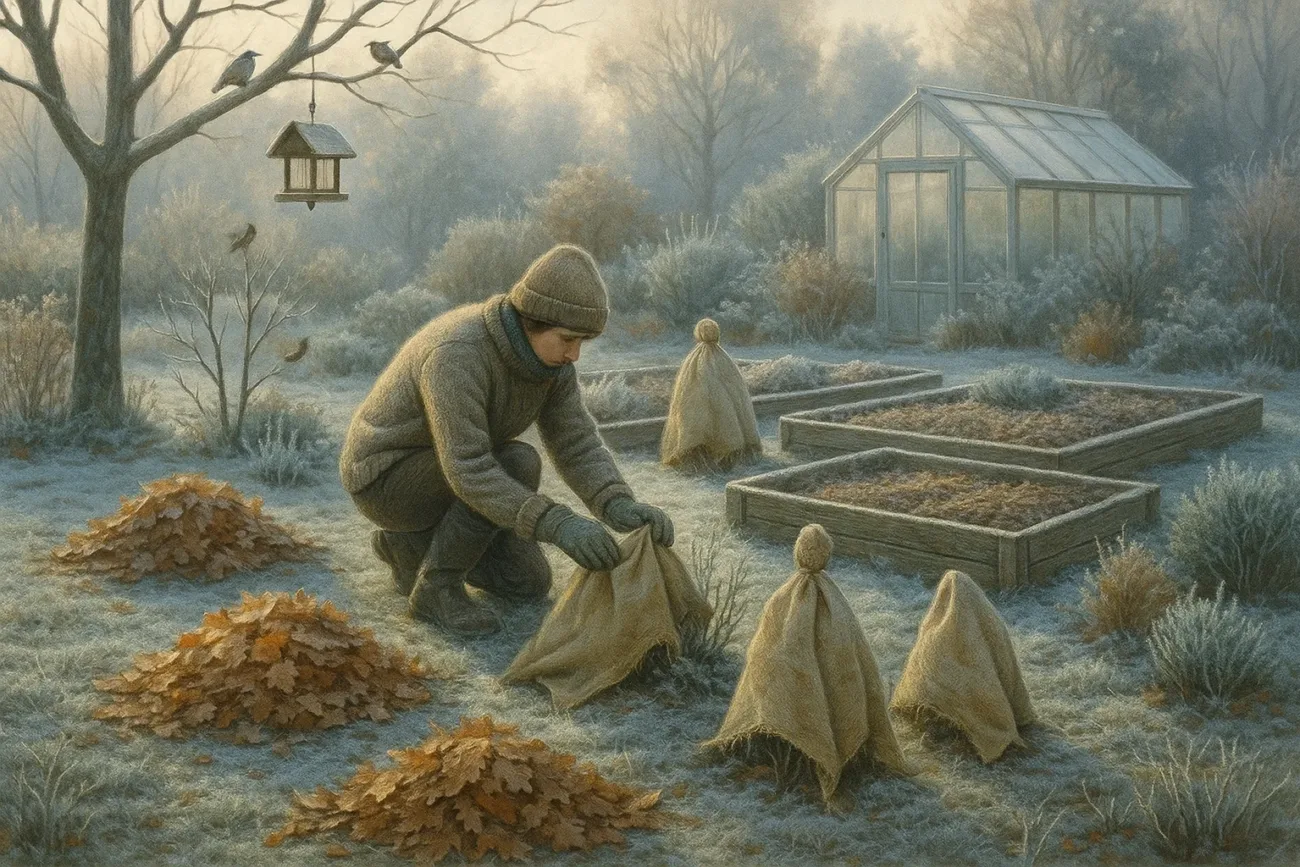
As the days shorten and the first frosts of winter nip at the garden, it’s time to consider winterizing your outdoor oasis. Properly preparing your garden for the colder months not only preserves plants but sets the stage for a vibrant reawakening come spring. Here’s a comprehensive guide to ensuring your garden sleeps well through the winter.
Evaluating Your Garden’s Needs
Before diving into winter prep, assess what you’re working with. Different plants have varying requirements, and understanding these can make all the difference. Consider the following factors: plant types, garden layout, and your local climate. Knowing your garden’s specifics aids in prioritizing tasks and resources efficiently. As gardeners might say, “It’s not the size of your shovel that counts, but how you use it.”
By identifying whether you have perennial or annual plants, you can determine which areas demand more attention. Perennials need protection through mulching, while annuals might require removal altogether. Don’t forget to consider trees and shrubs, particularly younger or more sensitive varieties, as they may need special care or wrapping.
Garden Layout and Microclimates
Your garden’s layout, including microclimates, influences how you winterize. For instance, sheltered spots might need different treatment compared to those exposed to harsh winds. Observing these variations helps you tailor your approach—after all, in gardening, location is everything.
Essential Tasks for Garden Preparation
Once you’ve evaluated your garden, it’s time to roll up your sleeves and begin winterproofing. The following tasks should be on your winter garden checklist:
- Pruning back plants to reduce disease risk and promote new growth;
- Removing weeds to prevent unwelcome invaders come spring;
- Adding a layer of mulch to protect roots and retain moisture;
- Draining and storing garden hoses to avoid freezing damage;
- Cleaning and sharpening tools to keep them in top condition.
Pruning promotes healthy spring growth, while mulch acts as a cosy winter blanket for your garden’s roots. Meanwhile, clean tools not only function better but also extend their lifespan. No gardener wants to struggle with blunt shears when spring arrives!
Protecting Young and Sensitive Plants
Young plants and those with sensitivity to frost need a little extra love. These plants are often more susceptible to winter damage, requiring additional measures to ensure their survival. Simple strategies like using cloches or fleece can provide a micro-environment that wards off the cold. Just remember that “frostbite” isn’t just for noses and toes; your plants can suffer too!
Pay close attention to plant coverage as well. Ensuring that the material used is breathable yet insulating can prevent mold and mildew buildup. Securing the covering adequately also protects against wind damage, a sneaky villain in winter garden woes.
Effective Use of Cold Frames
Cold frames are another excellent solution, particularly for tender herbs and vegetables that need a bit more warmth. They extend the growing season by creating a pocket of warmth and can be relocated easily as needed.
Revitalising the Soil for Future Growth
Soil health is the backbone of any successful garden, so giving it the attention it deserves over winter is crucial. Begin by testing your soil’s pH levels, as winter offers a great time for amendments that prepare it for the next growing season. Knowing the acidity or alkalinity can guide your amendment choices accordingly.
Consider incorporating organic matter such as compost or well-aged manure. Not only do these materials enrich the soil by adding nutrients, but they also improve aeration and water retention, fostering a fertile foundation for future planting.
Incorporate cover crops if desired. These crops, like rye or clover, grow during winter and can be tilled into the soil to enhance its structure. Think of them as multi-taskers, working when nothing else can.
Preventing Garden Pests and Diseases
Finally, winter is an ideal opportunity to break pest cycles and reduce disease. Start by cleaning up any debris or fallen leaves that can harbour pests in hibernation or disease pathogens. As the saying goes, cleanliness is indeed next to “gardening” godliness.
Consider applying dormant oils on trees and shrubs. These treatments suffocate overwintering insect eggs and fungal spores, reducing the likelihood of infestations cropping up whilst you’re trying to enjoy fresh spring blooms.
Taking Inventory and Planning Ahead
While some gardeners see winter as a time of dormancy, it’s actually a chance for strategic planning and preparation. Take stock of your seeds, review plant tags, and draw out a garden plan for next year. This groundwork ensures you’re ready to hit the ground running—and gardening—once the first signs of spring surface.
Organise your gardening supplies and ensure that everything is easily accessible for when planting season returns. A bit of organisation now prevents frantic shed searches later when time is of the essence.
Creating a Journal for Records
Keep a detailed garden journal, documenting what worked and what didn’t in the previous season. Use it to record observations, successes, and lessons learnt, turning experience into future success.
By dedicating time and patience to these methods, you set the stage for a robust and lively garden in spring. Remember, a gardener’s work is never truly done, even when the weather suggests otherwise. With diligent preparation, you can greet summer with a flourishing garden awakening from its winter slumber.


